अगर पुलिस एफ आई आर दर्ज करने से मना कर दे तब क्या करें ।

किसी भी संज्ञेय मामले की सूचना पुलिस को प्राप्त होने पर चाहे वह किसी भी माध्यम से प्राप्त हुई हो । पुलिस का कर्तव्य बनता है कि वह उस मामले में CR.P.C की धारा 154 के अन्तर्गत तुरंत एफ आई आर दर्ज कर, विवेचना शुरू कर दे और पीड़ित पक्ष की न्याय दिलाने में हरसंभव मदद करें । ऐसे संज्ञेय अपराध, जिसमें एफ आई आर दर्ज की गई है, उससे संबंधित सभी सबूतों को इकट्ठा करें एवं अभियुक्त को जल्द से जल्द गिरफ्तार कर मजिस्ट्रेट के सामने पेश करें । लेकिन ज्यादातर मामलों में पुलिस ऐसा करती नहीं है और अपने कर्तव्यों को भूल जाती है । ऐसी स्थिति में पीड़ित पक्ष के पास भारतीय दंड प्रक्रिया संहिता 1973 ( सीआरपीसी ) की धारा 156 ( 3 ) के तहत यह अधिकार है कि वह माननीय न्यायालय के समक्ष एफ आई आर दर्ज कराने हेतु अपना प्रार्थना पत्र प्रस्तुत कर सकता है । यदि माननीय न्यायालय को यह समाधान हो जाता है कि ऐसा कोई संज्ञेय अपराध घटित हुआ है । जिसमें प्रथम सूचना रिपोर्ट दर्ज कर उचित कार्रवाई की जानी आवश्यक है । तो माननीय न्यायालय पुलिस थाने के भार साधक अधिकारी को यह आदेशित कर सकती है कि उपरोक्त मामले में एफ आई आर दर्ज कर विवेचना की जाए ।

मजिस्ट्रेट का अधिकार


मजिस्ट्रेट के पास दो परिस्थितियो में अन्वेषण करने का निर्देश देने अधिकार होता :-
(1) यदि पुलिस द्वारा एफ आई आर दर्ज करना अस्वीकार कर दिया गया हो ।
(2) जब किसी कारण से पुलिस द्वारा अन्वेषण करने के विधिक अधिकार का प्रयोग नहीं किया जा रहा हो ।
[ धर्मेश भाई वासुदेव भाई बनाम गुजरात राज्य 2009 क्रिमिनल लाॅ जनरल 2969 ]
यदि किसी ऐसे समझें मामले में मजिस्ट्रेट को लगता है की पुलिस जानबूझकर मामले में एफ आई आर दर्ज नहीं कर रही है या विवेचना नहीं कर रही है तब मजिस्ट्रेट उस मामले हस्तक्षेप कर सकता है और या तो पुलिस को विवेचना करने का आदेश दे सकता है या फिर स्वयं या अपने किसी अधीनस्थ मजिस्ट्रेट को जांच करने का आदेश भी दे सकता है ।

Thus, power to direct investigation may arise in two different situations – (1) when a first information report is refused to be lodged; or (2) when the statutory power of investigation for some reason or the other is not conducted.

Reach Us at :-

Adhivakta Law Cafe

Shashi Kant Bhati Advocate Mob.No 9457177171 Chamber no 973 District & Sessions Court Ghaziabad at Raj Nagar Location :- https://g.co/kgs/APtqos

Adhivakta Law Cafe 

Mohit Bhati Advocate Mob.No 9310204200 Chamber no 197, Street no 06   District & Sessions Court Gautam Budh Nagar. Location :- https://g.co/kgs/8QQ3yw

अगर पुलिस एफ आई आर दर्ज करने से मना कर दे। तब क्या करें ?

अगर पुलिस एफ आई आर दर्ज करने से मना कर दे। तब क्या करें ? 

Adhivakta Law Cafe किसी भी संज्ञेय मामले की सूचना पुलिस को प्राप्त होने पर चाहे वह किसी भी माध्यम से प्राप्त हुई हो । पुलिस का कर्तव्य बनता है कि वह उस मामले में CR.P.C की धारा 154 के अन्तर्गत तुरंत एफ आई आर दर्ज कर, विवेचना शुरू कर दे और पीड़ित पक्ष की न्याय दिलाने में हरसंभव मदद करें । ऐसे संज्ञेय अपराध, जिसमें एफ आई आर दर्ज की गई है, उससे संबंधित सभी सबूतों को इकट्ठा करें एवं अभियुक्त को जल्द से जल्द गिरफ्तार कर मजिस्ट्रेट के सामने पेश करें । लेकिन ज्यादातर मामलों में पुलिस ऐसा करती नहीं है और अपने कर्तव्यों को भूल जाती है । ऐसी स्थिति में पीड़ित पक्ष के पास भारतीय दंड प्रक्रिया संहिता 1973 ( सीआरपीसी ) की धारा 156 ( 3 ) के तहत यह अधिकार है कि वह माननीय न्यायालय के समक्ष एफ आई आर दर्ज कराने हेतु अपना प्रार्थना पत्र प्रस्तुत कर सकता है । यदि माननीय न्यायालय को यह समाधान हो जाता है कि ऐसा कोई संज्ञेय अपराध घटित हुआ है । जिसमें प्रथम सूचना रिपोर्ट दर्ज कर उचित कार्रवाई की जानी आवश्यक है । तो माननीय न्यायालय पुलिस थाने के भार साधक अधिकारी को यह आदेशित कर सकती है कि उपरोक्त मामले में एफ आई आर दर्ज कर विवेचना की जाए ।
मजिस्ट्रेट का अधिकार
मजिस्ट्रेट के पास दो परिस्थितियो में अन्वेषण करने का निर्देश देने अधिकार होता :-
(1) यदि पुलिस द्वारा एफ आई आर दर्ज करना अस्वीकार कर दिया गया हो ।
(2) जब किसी कारण से पुलिस द्वारा अन्वेषण करने के विधिक अधिकार का प्रयोग नहीं किया जा रहा हो ।
[ धर्मेश भाई वासुदेव भाई बनाम गुजरात राज्य 2009 क्रिमिनल लाॅ जनरल 2969 ]
यदि किसी ऐसे समझें मामले में मजिस्ट्रेट को लगता है की पुलिस जानबूझकर मामले में एफ आई आर दर्ज नहीं कर रही है या विवेचना नहीं कर रही है तब मजिस्ट्रेट उस मामले हस्तक्षेप कर सकता है और या तो पुलिस को विवेचना करने का आदेश दे सकता है या फिर स्वयं या अपने किसी अधीनस्थ मजिस्ट्रेट को जांच करने का आदेश भी दे सकता है ।

प्रथम सूचना रिपोर्ट है सबका अधिकार :-  https://www.adhivaktalawcafe.com/2020/05/fir-30052020.html

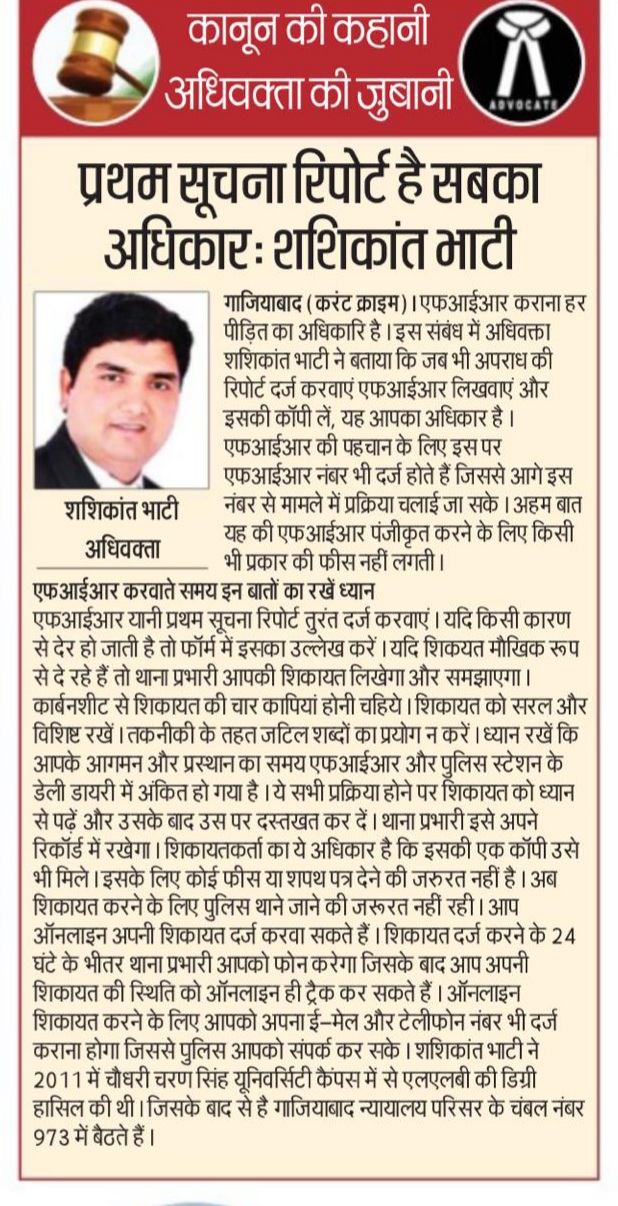
प्रथम सूचना रिपोर्ट (FIR) है सबका अधिकार :– शशिकांत भाटी एडवोकेट 30/05/2020

प्रथम सूचना रिपोर्ट ( First Information Report ) दर्ज करवाना हर पीड़ित का अधिकार है बल्कि पीड़ित ही नहीं एफ आई आर कोई भी व्यक्ति दर्ज करवा सकता है यह अधिकार हमें दंड प्रक्रिया संहिता 1973 की धारा 154 द्वारा प्रदान किया गया है। कोई भी ऐसी घटना जिससे कि किसी संज्ञेय अपराध का घटित होना पाया जाता है । उस स्थिति में पीड़ित या पीड़ित का कोई संबंधी या अन्य कोई समाज का व्यक्ति भी पुलिस थाने के भार साधक अधिकारी ( SHO ) को लिखित रूप में या फिर यदि वह पढ़ा लिखा नहीं है, तो मौखिक रूप में भी सूचित कर सकता है। यदि किसी भी संज्ञेय अपराध की सूचना पुलिस थाने के भार साधक अधिकारी को मौखिक रूप में दी जाती है तब वह उसको लेख बंद्ध करेगा या फिर अपनेे अन्य किसी अधीनस्थ कर्मचारी को  लिखने निर्देश देेेेेेगा और ऐसी सूचना लिखने के बाद सूचना देनेे वाले व्यक्ति को पढ़कर सुनाई जाएगी । प्रत्येक ऐसी सूचना चाहेे वह लिखित रूप में दी जाए या मौखिक रूप में, उस पर सूचना देनेेेेे वाले व्यक्ति के

 हस्ताक्षर अवश्य कराए जाएंगे और उसकी एक प्रतिलिपि निशुल्क प्रदान की जाएगी । एफ आई आर से संबंधित सभी फॉर्मेलिटीस पूरी हो जाने के बाद उसको जनरल डायरी जिसे राज्य सरकार द्वारा उपलब्ध कराया जाता है, में क्रमांक सहित दर्ज किया जाएगा । यह सुविधा बिल्कुल निशुल्क होती है तथा FIR की एक प्रतिलिपि सूचना देने वाले व्यक्ति को निशुल्क प्रदान की जाती है । अब बहुत से राज्यों में एफ आई आर ऑनलाइन भी दर्ज करवाई जा सकती हैं ।ऑनलाइन एफ आई आर दर्ज करवाते समय सूचना देने वाले व्यक्ति को अपना मोबाइल नंबर और ईमेल एड्रेस भी देना होता है । जिससे कि पुलिस सूचना देने वाले व्यक्ति से संपर्क कर सके । ऑनलाइन सूचना देने पर पुलिस 24 घंटे के अंदर आपसे संपर्क करती है ।
परन्तु यदि ऐसी सूचना किसी महिला के विरूद्ध हुए अपराध SECTION 326 A, 326 B, 354 354 A 354 B, 354 C, 354 D, 376, 376 A, 376 B, 376 C, 376 D, 376 E या 509 IPC से संबंधित  होती है, तो ऐसी सूचना किसी महिला अधिकारी द्वारा ही दर्ज की जाएगी और उस पीड़ित महिला को कानूनी सहायता और स्वास्थ्य संबंधी सहायता भी उपलब्ध करवाई जाएगी ।
Section 154 CR.P.C (3) :- यदि पुलिस थाने का भार साधक अधिकारी / एसएचओ ऐसी सूचना दर्ज करने से मना कर देता है, तो सूचना देने वाले व्यक्ति /पीड़ित व्यक्ति के पास यह अधिकार होता है कि वह ऐसे मामले की सूचना पुलिस अधीक्षक / सुपरिंटेंडेंट ऑफ़ पुलिस को दे सकता है और यदि पुलिस अधीक्षक को यह लगता है कि उपरोक्त मामले में एफ आई आर दर्ज की जानी आवश्यक है, तो वह स्वयं उस मामले की विवेचना कर सकता है या अपने किसी अधीनस्थ अधिकारी को विवेचना करने के लिए आदेशित कर सकता है और उस अधिकारी के पास वे सभी अधिकार होंगे जो कि पुलिस थाने के भार साधक अधिकारी के पास होते है ।


It is the right of every victim to file a First Information Report, but any person can register an FIR, not only the victim, but this right is given to us by Section 154 of Criminal Procedure Code 1973.  Any such event that a cognizable offense is found to occur.  In that case, the victim or any relative of the victim or any other person of the society can also inform the Police Officer in charge of the police station (SHO) in writing or if it is not written, in verbal form.  If any cognizable offense is reported orally to the officer-in-charge of the police station, then he will close the article or instruct him to write to any other subordinate employee and after writing such a notice read the person giving the information  Will go.  Every such information, whether it is given in writing or in oral form, to the person giving information thereon

 Signatures will be provided and a copy will be provided free of charge.  After completion of all the formalities related to the FIR, it will be recorded in the General Diary which is made available by the State Government along with the serial number.  This facility is absolutely free and a copy of the FIR is provided free of cost to the person giving the information.  Now in many states FIRs can also be registered online. The person giving information at the time of filing the FIR online also has to provide his mobile number and email address.  So that the police can contact the person giving the information.  The police contact you within 24 hours upon giving information online.
 But if such information related to crime against a woman Under SECTION 326 A, 326 B, 354 354 A 354 B, 354 C, 354 D, 376, 376 A, 376 B, 376 C, 376 D, 376 E or 509 IPC  If this happens, such information will be recorded by a woman officer and legal aid and health related assistance will also be provided to that victim.

 Section 154 CR.PC (3): – If the Police Officer / SHO of the police station refuses to file such information, the person giving information / victim has the right to inform the police about such a case.  Superintendent / Superintendent of Police and if the Superintendent of Police feels that an FIR is required to be registered in the above case, he can inquire into the matter himself or to consider any of his subordinate officers  Can order and that officer will have all the rights which are with the officer in charge of the police station.

जब पुलिस आपकी न सुने , आपकी FIR दर्ज करने से मना कर दे ! तब आपके पास क्या अधिकार है  :- 

What will be the responsibility of the bank if the property kept in the Bank’s 🔐 Locker room is stolen ? 🤔

अगर बैंक के लॉकर मे रखी संपत्ति , गहने यदि चोरी हो जाते हैं या लूट हो जाती है। तो उसका हर्जाना कौन देगा ?

What will be the responsibility of the bank if the property kept in the Bank’s 🔐 Locker room is stolen ? 🤔


• If you are planning to deposit valuables in a bank locker, there are certain things which you need to know. In this blog, we will discuss locker rules and regulations and RBI guidelines on bank Lockers.
• People today are afraid of keeping valuables at home, because of the large number of robberies which are happening in the country. Many people prefer to keep their valuables like jewelry, important documents and even a WILL in lockers.


What is a Bank Locker ?
• Bank locker is a facility offered by banks to customers to store valuables like gold jewelry, diamonds and even documents like a will, or property documents at the bank. Bank lockers are usually kept in a strong room at the bank, with the door made of strong steel. This facility is offered in exchange for a fee. Not all bank branches have a locker facility. It is advisable to opt for a bank with a locker near your home.
• But nowadays some private sectors have also started providing such facilities.
• Process to open Bank Locker account :- The hirer will be required to sign an stamped agreement on form C.O.S. 404 which embodies, on the reverse thereof, the conditions under which lockers are let out by the Bank. A copy of the signed Locker Agreement and allotment letter will be given to the Locker hirer(s) with an acknowledgement from the hirer.


BANK ROBBERY

If we talk about the biggest bank robbery in the country, then in Gohana area of Sonepat city of Haryana, the name of the robbery of about 100 crores in Punjab National Bank, one of the oldest banks in the country, will come. There were about 360 lockers in that bank. Out of which 86 lockers were looted and the property kept in them was looted. According to the rules of the country’s largest bank, the Reserve Bank of India, the bank has no responsibility and neither does the bank pay any damages if the goods kept in the locker are stolen or robbed. Because locker is a personal facility given by the bank to the customer and the bank does not know what is kept in your locker. In such a situation, on what basis the compensation should be given. But the question arises that if the concerned bank did not follow the security guidelines issued by RBI properly or the bank’s negligence leads to robbery or theft. As was the case in the Haryana case above, in that case the bank will pay the penalty or not?


What does the Reserve Bank of India say :-


• According to RBI, banks are not responsible for the valuables in the locker, if the locker is compromised due to civil war, robbery or any other reason. Customers have to keep their valuables in the locker at their own risk.
• The Reserve Bank of India guidelines say the banks are not responsible for the contents of the lockers. However, they are responsible to take precautions for protection of valuables.
• Your valuables are not safe, even in a bank locker. The RBI has stated that banks will not compensate if the contents of the locker are stolen or damaged in a natural calamity. … The customer will responsible for the valuables kept in the locker owned by the bank.
https://m.economictimes.com/wealth/save/why-bank-lockers-are-better-than-home-safes/articleshow/59502004.cms


RBI Rules related to security of bank locker ?
• Banks should exercise due care and necessary precaution for the protection of the lockers provided to the customer.
• The secure infrastructure at the bank’s strong-room, restricted and monitored entry and exit, presence of security guard(s), along with a high-level of electronic surveillance give an edge to the safety provided by bank lockers over home safes.”


Then In case of Bank locker theft Who is liable?
• Some banks though, do provide some compensation to their customers as a goodwill gesture considering locker break-ins highlight lapses in their security arrangements.
In a reply of Email , it was revealed that the public sector banks are not bound to give compensation for theft of valuables in safe or deposit boxes at their banks. The clarification noted the relationship between the bank and customers is like that of a landlord and lessee (tenant). This means that the lessee is responsible for his or her valuables kept in the locker.

• According to Section 152 of the Indian Contract Act, a bank is not responsible for any loss or damage to the contents of a locker.
• Section 152 of India 🇮🇳 Contract Act 1872 :- ” Bailee when not liable for loss etc,of thing bailed “
• The bailee in the absence of any special contract,is not responsible for the loss,destruction the thing bailed,if he has taken the amount of care of it described in Section 151 of ICA 1872
( A bank is not responsible for any loss or damage to the contents of a locker ).

Banks may provide compensation in Only two types of conditions :- first where the customer can show proof of the belongings in the locker and second, if the customer can prove shortcoming on bank’s part in terms of adequate security.


• But here we will talk about some cases in which the State or National Commission has given orders to pay damages to the customer, assuming the fault of the bank.


(1) State Bank Of India vs Shri Ugam Singh on 21 February, 2002

Bench: D Wadhwa, R Rao, B Taimni

Locker was found open and ornaments were missing. The bank failed to order a departmental enquiry. It also failed to produce the details of persons who have accessed the locker. So, the commission contended that there is deficiency of service on part of the bank.


(2) Canara Bank vs Agnes D’mello 23 August 2005

Complainant went to the bank locker with her sister–in-law  on 12.05.1987 and deposited jewelry in the locker and locked the locker on 13.08.1987, manager of the bank informed her sister-in-law that locker was found open and jewelry was stolen. The complainant filed a case in state commission which ruled in her favour and ordered the bank to compensate her. Bank filed an appeal before the national commission.

The commission held that the bank which provides a locker should ensure the safety of locker. Even if the complainant failed to ensure that the locker is closed, the bank is supposed to ensure at the end of the day that all the lockers are in closed condition as per its own laid out procedure. The lock provider contended that locker key can’t be taken out without locking the locker. So ,commission contended that the bank has to pay liability to the complainant.
the complainant/respondent is entitled to get interest on a sum of Rs. 1,12,500 with interest @ 12% p.a, from 8.8.1997 till the date of deposit of Rs. 1,79,718 in this Commission on 28.11.2000 on Rs. 1,12,500 the appellant shall be entitled to the remaining amount on account of difference in rate of interest between 18% and 12%. However, the complainant shall be entitled to the interest, which has accrued on 1,12,500 in terms of deposit.


(3) PUNJAB National bank vs  K.B.Shetty 1991

Complainant lost all her jewelry from her locker which was jointly held. State commission directed the bank to pay the complainant on account of loss of jewelry  with interest also payable.

Bank appealed the verdict to the national commission.

National commission contended that the bank was negligent in ensuring security of the locker. Bank failed to follow its laid down procedure. Also it failed to ensure that all the lockers are closed at the end of the day. The agreement between the two has to be determined by the contents of the agreement. Bank can’t relieve itself by describing the argument as between landlord and tenant.


(4) Uco bank vs shiv kumar 2003

Bank locker of the complainant was found opened. This was informed to the complainant after 16 months of locker access by the complainant. State commission found the bank would be liable to compensate the loss on account of deficiency of service.

” यदि बैंक के लॉकर रूम में जमा संपत्ति चोरी हो जाती है, तो हर्जाना देने की जिम्मेदारी किसकी होगी? ” 🤔

• यदि आप बैंक लॉकर में क़ीमती सामान जमा करने की योजना बना रहे हैं, तो कुछ चीजें हैं जिन्हें आपको जानना आवश्यक है। इस ब्लॉग में, हम लॉकर नियमों और विनियमों और बैंक लॉकर्स पर RBI द्वारा जारी दिशानिर्देशों पर चर्चा करेंगे।


बैंक डकैती

अगर बात देश की सबसे बड़ी बैंक डकैती कि, की जाए तो शायद हरियाणा के सोनीपत शहर के गोहाना इलाके में देश के सबसे पुराने बैंकों में से एक पंजाब नेशनल बैंक में हुई लगभग 100 करोड़ की डकैती का नाम आएगा । उस बैंक में लगभग 360 लॉकर थे। जिनमें से 86 लॉकर्स को तोड़कर उनमें रखी संपत्ति को लूट लिया गया था । देश के सबसे बड़े बैंक भारतीय रिजर्व बैंक ऑफ इंडिया के नियमों के मुताबिक लॉकर में रखे गए सामान के चोरी होने या लूट लिए जाने पर बैंक की कोई जिम्मेदारी नहीं होती और ना ही बैंक कोई हर्जाना देता है । क्योंकि लॉकर बैंक की तरफ से कस्टमर को दी जाने वाली एक पर्सनल सुविधा है और बैंक को नहीं पता होता कि आपके लॉकर में क्या रखा हुआ है । ऐसे में हर्जाना किस आधार पर दिया जाए । लेकिन सवाल यह आता है कि यदि संबंधित बैंक ने आरबीआई द्वारा जारी सुरक्षा संबंधी दिशा-निर्देश का ठीक से पालन नहीं किया या बैंक की लापरवाही की वजह से लूट या चोरी हो जाती है । जैसे कि ऊपर हरियाणा वाले केस में हुआ था, तो उस स्थिति में बैंक जुर्माना देगा या नहीं ?

अगर आप भी अपने कीमती गहने बैंक के लॉकर में जमा करने के बारे में सोच रहे हैं । तो आपको कुछ चीजों के बारे में जरूर पता होना चाहिए । इस ब्लॉग के माध्यम से हम बैंक लॉकर के नियम और भारतीय रिजर्व बैंक ऑफ इंडिया के इस सम्बन्ध में क्या दिशा निर्देश हैं । उनके बारे में बात करेंगे ।


क्या है बैंक लॉकर :-

बैंक लॉकर सरकारी एवं गैर सरकारी बैंकों द्वारा अपने ग्राहकों को दी जाने वाली एक ऐसी सुविधा है जिसमें ग्राहक अपने कीमती गहने, वसीयत और यहां तक कि जमीन के दस्तावेज रखने की सुविधा दी जाती है । बैंक लॉकर सामान्यतः बैंक के स्ट्रांग रूम जो कि हाई सिक्योरिटी जोन होता है, में होते हैं और उसके दरवाजे मजबूत स्टील के बने होते हैं । जिसके बदले में बैंक ग्राहक से कुछ सुविधा शुल्क वसूल करता है । हालांकि बैंकों की सभी शाखाओं में यह सुविधा उपलब्ध नहीं होती ।


कैसे खोले जाते हैं बैंक में लॉकर :-

बैंक में लॉकर खोलने की भी लगभग वैसी ही प्रक्रिया है, जैसे कि बैंक में खाता खुलवाने की होती है । बैंक का एक फॉर्म होता है । जिसमें ग्राहक को अपना नाम, पता आदि जानकारियां भरकर बैंक को देनी होती तथा उसमें लॉकर से संबंधित नियम व शर्तें भी लिखी होती हैं । जिन पर ग्राहक और बैंक के अधिकारी के साइन होते हैं । तथा उसकी एक कॉपी ग्राहक को, वह एक कॉपी बैंक में जमा कर दी जाती है ।


क्या कहता है भारतीय रिजर्व बैंक ऑफ इण्डिया :-

भारतीय रिजर्व बैंक ऑफ इंडिया के दिशा निर्देशों के अनुसार , बैंक लॉकर में रखी संपत्ति के गुम हो जाने , चोरी हो जाने या लूट लिए जाने या गृह युद्ध मे किसी प्रकार से जब्त हो जाने पर जिम्मेदार नहीं होगा । इसलिए ग्राहक अपने जोखिम पर ही लॉकर में अपना कीमती सामान रखें ।
एक ई-मेल के जवाब में आरबीआई कहता है कि प्राइवेट सेक्टर के बैंक उनके लॉकर में जमा संपत्ति के खो जाने, चोरी हो जाने या लूट लिए जाने पर उसका जुर्माना देने के लिए बाध्य नहीं है । क्योंकि एक बैंक और ग्राहक का रिश्ता भी वैसा ही होता है जैसे कि एक मकान मालिक और किराएदार का और किराएदार अपनी संपत्ति के रखरखाव के लिए स्वयं जिम्मेदार होता है ।
हालांकि कुछ बैंक ग्राहकों के साथ अच्छे संबंध स्थापित करने के लिए ऐसी स्थिति में कुछ मुआवजा देते हैं ।


Section 152 of Indian Contract Act :-

बैंक लॉकर में जमा संपत्ति के गुम हो जाने या चोरी हो जाने पर बैक की किसी भी तरह से कोई जिम्मेदार नहीं होंगे, जब तक की ग्राहक और बैंक के बीच कोई विशेष कॉन्ट्रैक्ट इस संबंध में ना हुआ हो ।

लेकिन जैसे कि आपने ऊपर दी गई कुछ जजमेंट मैं देखा की कोर्ट ने बैंक को निर्देश दिया कि वह ग्राहक को उचित मुआवजा प्रदान करें। बैंक केवल दो ही कंडीशन में मुआवजा देने के लिए बाध्य हो सकता है ।
(1 ) ग्राहक यह साबित करें , (बिल सहित ) करें कि उसने लॉकर क्या-क्या संपत्ति जमा थी ।
(2) लॉकर में जमा समान या गहने चोरी हो जाने या लूट लिए जाने में बैंक की विशेष लापरवाही थी।
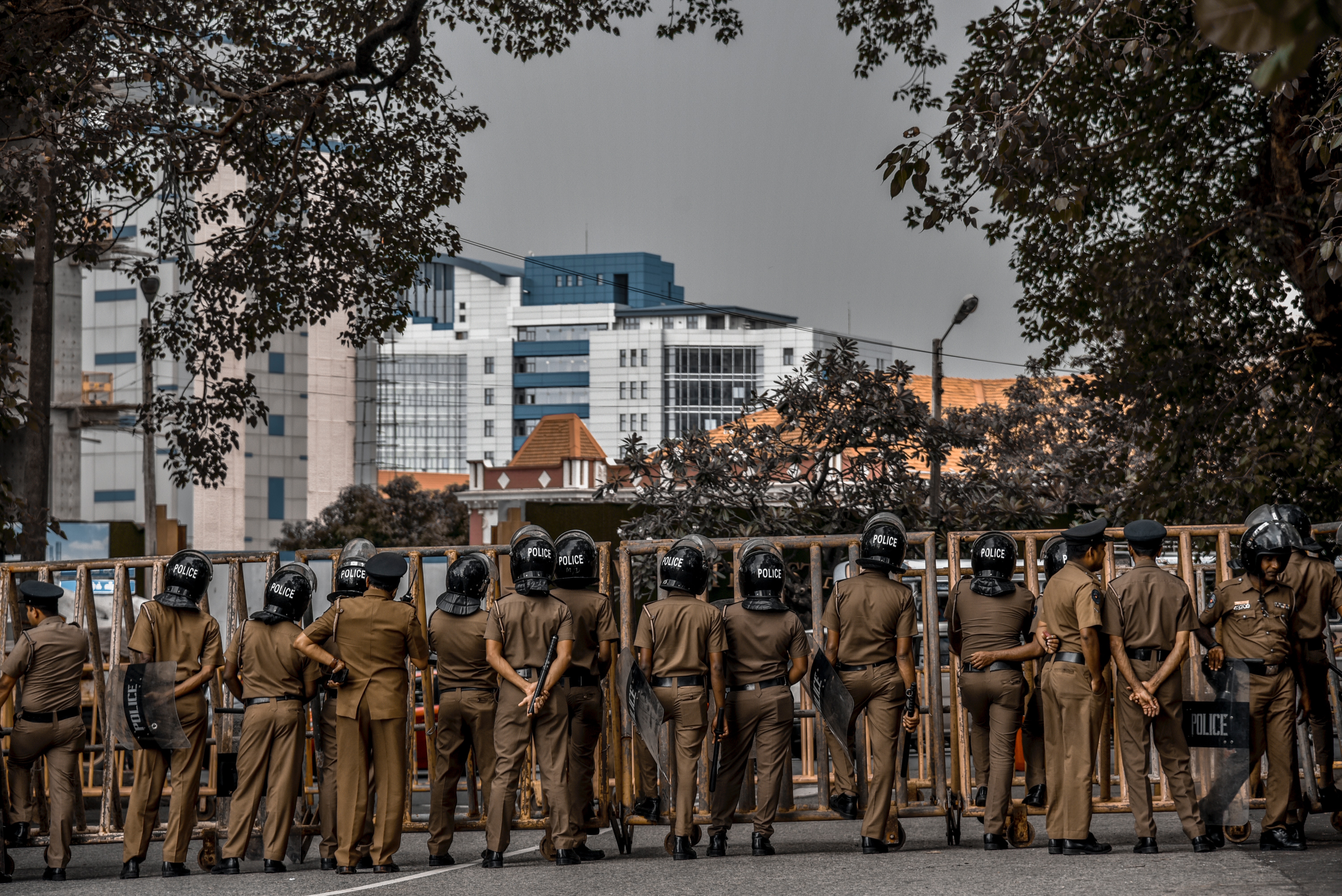

Retirement age in Punjab Police

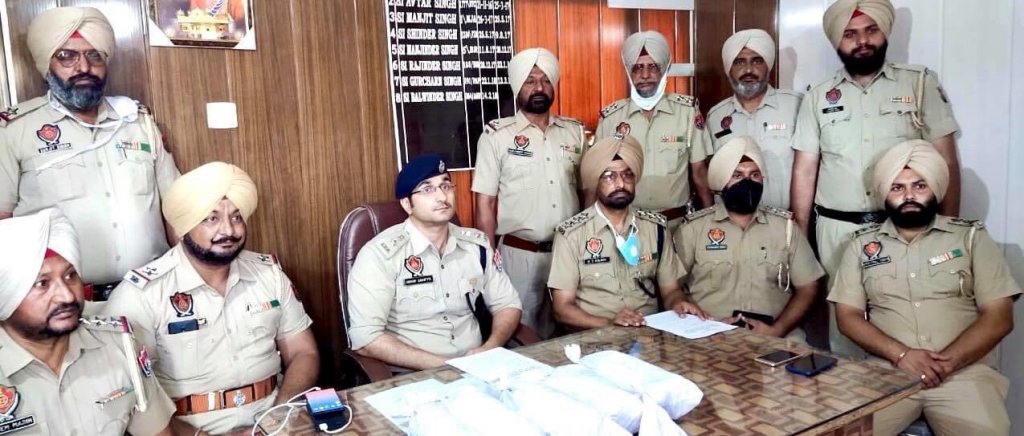
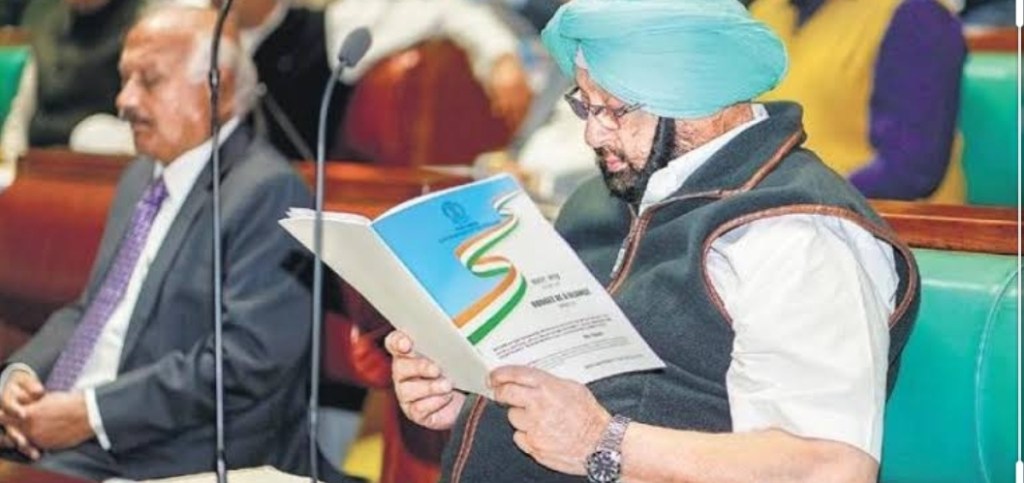
पंजाब पुलिस के कर्मचारियों की रिटायरमेंट की उम्र पहले 60 साल थी। जिसे अब वहां के मुख्यमंत्री ने 29 फरवरी 2020 जारी किए गए बजट में घटाकर 58 साल कर दिया गया है ।

यह पंजाब सरकार का एक बड़ा फैसला माना जा रहा है जिससे पंजाब पुलिस के ना जाने कितने कर्मचारी और उनके परिवार जन प्रभावित होंगे। पंजाब सरकार के मंत्रियों की सहमति से ही मुख्यमंत्री अमरेंद्र सिंह ने यह फैसला लिया है । अब पंजाब पुलिस के कर्मचारियों के रिटायरमेंट होने की उम्र को 2 साल घटाकर 60 के स्थान पर 58 कर दिया गया है । उनका मानना है कि इससे हम रिटायर होने वालों की संख्या से तीन से चार गुना ज्यादा युवाओ को रोजगार दे पाएंगे। उन्होंने कहा कि इससे हम पंजाब की सेवा करने के लिए युवाओं के अधिक प्रतिभाशाली पूल को तैयार करने में सक्षम होंगे ।

What will be the responsibility of the bank if the property kept in the Bank’s 🔐 Locker room is stolen ? 🤔

अगर बैंक के लॉकर मे रखी संपत्ति , गहने यदि चोरी हो जाते हैं या लूट हो जाती है। तो उसका हर्जाना कौन देगा ?

What will be the responsibility of the bank if the property kept in the Bank’s 🔐 Locker room is stolen ? 🤔

• If you are planning to deposit valuables in a bank locker, there are certain things which you need to know. In this blog, we will discuss locker rules and regulations and RBI guidelines on bank Lockers.
• People today are afraid of keeping valuables at home, because of the large number of robberies which are happening in the country. Many people prefer to keep their valuables like jewelry, important documents and even a WILL in lockers.

• What is a Bank Locker ?

BANK LOCKER

• Bank locker is a facility offered by banks to customers to store valuables like gold jewelry, diamonds and even documents like a will, or property documents at the bank. Bank lockers are usually kept in a strong room at the bank, with the door made of strong steel. This facility is offered in exchange for a fee. Not all bank branches have a locker facility. It is advisable to opt for a bank with a locker near your home.
• But nowadays some private sectors have also started providing such facilities.
• Process to open Bank Locker account :- The hirer will be required to sign an stamped agreement on form C.O.S. 404 which embodies, on the reverse thereof, the conditions under which lockers are let out by the Bank. A copy of the signed Locker Agreement and allotment letter will be given to the Locker hirer(s) with an acknowledgement from the hirer.


BANK ROBBERY

CASH IN LOCKER

If we talk about the biggest bank robbery in the country, then in Gohana area of ​​Sonepat city of Haryana, the name of the robbery of about 100 crores in Punjab National Bank, one of the oldest banks in the country, will come. There were about 360 lockers in that bank. Out of which 86 lockers were looted and the property kept in them was looted. According to the rules of the country’s largest bank, the Reserve Bank of India, the bank has no responsibility and neither does the bank pay any damages if the goods kept in the locker are stolen or robbed. Because locker is a personal facility given by the bank to the customer and the bank does not know what is kept in your locker. In such a situation, on what basis the compensation should be given. But the question arises that if the concerned bank did not follow the security guidelines issued by RBI properly or the bank’s negligence leads to robbery or theft. As was the case in the Haryana case above, in that case the bank will pay the penalty or not?


What does the Reserve Bank of India say :-

• According to RBI, banks are not responsible for the valuables in the locker, if the locker is compromised due to civil war, robbery or any other reason. Customers have to keep their valuables in the locker at their own risk.
• The Reserve Bank of India guidelines say the banks are not responsible for the contents of the lockers. However, they are responsible to take precautions for protection of valuables.
• Your valuables are not safe, even in a bank locker. The RBI has stated that banks will not compensate if the contents of the locker are stolen or damaged in a natural calamity. … The customer will responsible for the valuables kept in the locker owned by the bank.
https://m.economictimes.com/wealth/save/why-bank-lockers-are-better-than-home-safes/articleshow/59502004.cms
• RBI Rules related to security of bank locker ?
• Banks should exercise due care and necessary precaution for the protection of the lockers provided to the customer.
• The secure infrastructure at the bank’s strong-room, restricted and monitored entry and exit, presence of security guard(s), along with a high-level of electronic surveillance give an edge to the safety provided by bank lockers over home safes.”
• Then In case of Bank locker theft Who is liable?
• Some banks though, do provide some compensation to their customers as a goodwill gesture considering locker break-ins highlight lapses in their security arrangements.
In a reply of Email , it was revealed that the public sector banks are not bound to give compensation for theft of valuables in safe or deposit boxes at their banks. The clarification noted the relationship between the bank and customers is like that of a landlord and lessee (tenant). This means that the lessee is responsible for his or her valuables kept in the locker.

• According to Section 152 of the Indian Contract Act, a bank is not responsible for any loss or damage to the contents of a locker.
• Section 152 of India 🇮🇳 Contract Act 1872 :- ” Bailee when not liable for loss etc,of thing bailed “
• The bailee in the absence of any special contract,is not responsible for the loss,destruction the thing bailed,if he has taken the amount of care of it described in Section 151 of ICA 1872
( A bank is not responsible for any loss or damage to the contents of a locker ).

Banks may provide compensation in Only two types of conditions :- first where the customer can show proof of the belongings in the locker and second, if the customer can prove shortcoming on bank’s part in terms of adequate security.


• But here we will talk about some cases in which the State or National Commission has given orders to pay damages to the customer, assuming the fault of the bank.

(1) State Bank Of India vs Shri Ugam Singh on 21 February, 2002

Bench: D Wadhwa, R Rao, B Taimni

Locker was found open and ornaments were missing. The bank failed to order a departmental enquiry. It also failed to produce the details of persons who have accessed the locker. So, the commission contended that there is deficiency of service on part of the bank.

(2) Canara Bank vs Agnes D’mello 23 August 2005

Complainant went to the bank locker with her sister–in-law  on 12.05.1987 and deposited jewelry in the locker and locked the locker on 13.08.1987, manager of the bank informed her sister-in-law that locker was found open and jewelry was stolen. The complainant filed a case in state commission which ruled in her favour and ordered the bank to compensate her. Bank filed an appeal before the national commission.

The commission held that the bank which provides a locker should ensure the safety of locker. Even if the complainant failed to ensure that the locker is closed, the bank is supposed to ensure at the end of the day that all the lockers are in closed condition as per its own laid out procedure. The lock provider contended that locker key can’t be taken out without locking the locker. So ,commission contended that the bank has to pay liability to the complainant.
the complainant/respondent is entitled to get interest on a sum of Rs. 1,12,500 with interest @ 12% p.a, from 8.8.1997 till the date of deposit of Rs. 1,79,718 in this Commission on 28.11.2000 on Rs. 1,12,500 the appellant shall be entitled to the remaining amount on account of difference in rate of interest between 18% and 12%. However, the complainant shall be entitled to the interest, which has accrued on 1,12,500 in terms of deposit.

(3) PUNJAB National bank vs  K.B.Shetty 1991

Complainant lost all her jewelry from her locker which was jointly held. State commission directed the bank to pay the complainant on account of loss of jewelry  with interest also payable.

Bank appealed the verdict to the national commission.

National commission contended that the bank was negligent in ensuring security of the locker. Bank failed to follow its laid down procedure. Also it failed to ensure that all the lockers are closed at the end of the day. The agreement between the two has to be determined by the contents of the agreement. Bank can’t relieve itself by describing the argument as between landlord and tenant.


(4) Uco bank vs shiv kumar 2003

Bank locker of the complainant was found opened. This was informed to the complainant after 16 months of locker access by the complainant. State commission found the bank would be liable to compensate the loss on account of deficiency of service.

” यदि बैंक के लॉकर रूम में जमा संपत्ति चोरी हो जाती है, तो हर्जाना देने की जिम्मेदारी किसकी होगी? ” 🤔

• यदि आप बैंक लॉकर में क़ीमती सामान जमा करने की योजना बना रहे हैं, तो कुछ चीजें हैं जिन्हें आपको जानना आवश्यक है। इस ब्लॉग में, हम लॉकर नियमों और विनियमों और बैंक लॉकर्स पर RBI द्वारा जारी दिशानिर्देशों पर चर्चा करेंगे।

बैंक डकैती

अगर बात देश की सबसे बड़ी बैंक डकैती कि, की जाए तो शायद हरियाणा के सोनीपत शहर के गोहाना इलाके में देश के सबसे पुराने बैंकों में से एक पंजाब नेशनल बैंक में हुई लगभग 100 करोड़ की डकैती का नाम आएगा । उस बैंक में लगभग 360 लॉकर थे। जिनमें से 86 लॉकर्स को तोड़कर उनमें रखी संपत्ति को लूट लिया गया था । देश के सबसे बड़े बैंक भारतीय रिजर्व बैंक ऑफ इंडिया के नियमों के मुताबिक लॉकर में रखे गए सामान के चोरी होने या लूट लिए जाने पर बैंक की कोई जिम्मेदारी नहीं होती और ना ही बैंक कोई हर्जाना देता है । क्योंकि लॉकर बैंक की तरफ से कस्टमर को दी जाने वाली एक पर्सनल सुविधा है और बैंक को नहीं पता होता कि आपके लॉकर में क्या रखा हुआ है । ऐसे में हर्जाना किस आधार पर दिया जाए । लेकिन सवाल यह आता है कि यदि संबंधित बैंक ने आरबीआई द्वारा जारी सुरक्षा संबंधी दिशा-निर्देश का ठीक से पालन नहीं किया या बैंक की लापरवाही की वजह से लूट या चोरी हो जाती है । जैसे कि ऊपर हरियाणा वाले केस में हुआ था, तो उस स्थिति में बैंक जुर्माना देगा या नहीं ?

अगर आप भी अपने कीमती गहने बैंक के लॉकर में जमा करने के बारे में सोच रहे हैं । तो आपको कुछ चीजों के बारे में जरूर पता होना चाहिए । इस ब्लॉग के माध्यम से हम बैंक लॉकर के नियम और भारतीय रिजर्व बैंक ऑफ इंडिया के इस सम्बन्ध में क्या दिशा निर्देश हैं । उनके बारे में बात करेंगे ।

क्या है बैंक लॉकर :-

बैंक लॉकर सरकारी एवं गैर सरकारी बैंकों द्वारा अपने ग्राहकों को दी जाने वाली एक ऐसी सुविधा है जिसमें ग्राहक अपने कीमती गहने, वसीयत और यहां तक कि जमीन के दस्तावेज रखने की सुविधा दी जाती है । बैंक लॉकर सामान्यतः बैंक के स्ट्रांग रूम जो कि हाई सिक्योरिटी जोन होता है, में होते हैं और उसके दरवाजे मजबूत स्टील के बने होते हैं । जिसके बदले में बैंक ग्राहक से कुछ सुविधा शुल्क वसूल करता है । हालांकि बैंकों की सभी शाखाओं में यह सुविधा उपलब्ध नहीं होती ।

कैसे खोले जाते हैं बैंक में लॉकर :

बैंक में लॉकर खोलने की भी लगभग वैसी ही प्रक्रिया है, जैसे कि बैंक में खाता खुलवाने की होती है । बैंक का एक फॉर्म होता है । जिसमें ग्राहक को अपना नाम, पता आदि जानकारियां भरकर बैंक को देनी होती तथा उसमें लॉकर से संबंधित नियम व शर्तें भी लिखी होती हैं । जिन पर ग्राहक और बैंक के अधिकारी के साइन होते हैं । तथा उसकी एक कॉपी ग्राहक को, वह एक कॉपी बैंक में जमा कर दी जाती है ।


क्या कहता है भारतीय रिजर्व बैंक ऑफ इण्डिया :-

भारतीय रिजर्व बैंक ऑफ इंडिया के दिशा निर्देशों के अनुसार , बैंक लॉकर में रखी संपत्ति के गुम हो जाने , चोरी हो जाने या लूट लिए जाने या गृह युद्ध मे किसी प्रकार से जब्त हो जाने पर जिम्मेदार नहीं होगा । इसलिए ग्राहक अपने जोखिम पर ही लॉकर में अपना कीमती सामान रखें ।
एक ई-मेल के जवाब में आरबीआई कहता है कि प्राइवेट सेक्टर के बैंक उनके लॉकर में जमा संपत्ति के खो जाने, चोरी हो जाने या लूट लिए जाने पर उसका जुर्माना देने के लिए बाध्य नहीं है । क्योंकि एक बैंक और ग्राहक का रिश्ता भी वैसा ही होता है जैसे कि एक मकान मालिक और किराएदार का और किराएदार अपनी संपत्ति के रखरखाव के लिए स्वयं जिम्मेदार होता है ।
हालांकि कुछ बैंक ग्राहकों के साथ अच्छे संबंध स्थापित करने के लिए ऐसी स्थिति में कुछ मुआवजा देते हैं ।

Section 152 of Indian Contract Act :-

बैंक लॉकर में जमा संपत्ति के गुम हो जाने या चोरी हो जाने पर बैक की किसी भी तरह से कोई जिम्मेदार नहीं होंगे, जब तक की ग्राहक और बैंक के बीच कोई विशेष कॉन्ट्रैक्ट इस संबंध में ना हुआ हो ।

लेकिन जैसे कि आपने ऊपर दी गई कुछ जजमेंट मैं देखा की कोर्ट ने बैंक को निर्देश दिया कि वह ग्राहक को उचित मुआवजा प्रदान करें। बैंक केवल दो ही कंडीशन में मुआवजा देने के लिए बाध्य हो सकता है ।
(1 ) ग्राहक यह साबित करें , (बिल सहित ) करें कि उसने लॉकर क्या-क्या संपत्ति जमा थी ।
(2) लॉकर में जमा समान या गहने चोरी हो जाने या लूट लिए जाने में बैंक की विशेष लापरवाही थी।



इस Article को हमने ग्राहको के अधिकारो को ध्यान मेें रखते हुए लिखा । यदि इस Article मेें आप कुछ कमी महसूस करें तो कृपया  Comment box 📦 में अपने विचार प्रकट कर हमें अवश्य सूचित करें ताकि हम और अच्छे से कानून से जुडी जानकारी आप तक पहुुंचाते रहे । हमारा उद्देश्य समाज के हर वर्ग तक कानून की कठिन भाषा को सरल भाषा में प्रकाशित कर उनके हाथ मजबूत करना है।

Design a site like this with WordPress.com
Get started